
**Tech salary purchasing power** refers to disposable income remaining after accounting for taxes, housing costs, and cost-of-living differentials. A software engineer earning the median Austin tech salary of $183,000 retains approximately $50,285 more in annual disposable income after housing costs compared to their Raleigh counterpart earning $140,000—despite Austin's marginally higher overall cost of living.
This 47% purchasing power advantage stems primarily from Texas's absence of state income tax and Austin's surprisingly lower median home prices ($429,000 vs. Raleigh's $451,000 as of early 2025).
Key Findings:
- **Austin tech salaries command a 30.7% premium**: Median software engineer salary in Austin is $183,000 vs. $140,000 in Raleigh
- **Texas's zero state income tax saves ~$7,778 annually** for a $183,000 earner compared to North Carolina's 4.25% flat rate
- **Austin median home prices are 4.9% lower** than Raleigh despite reputation as more expensive
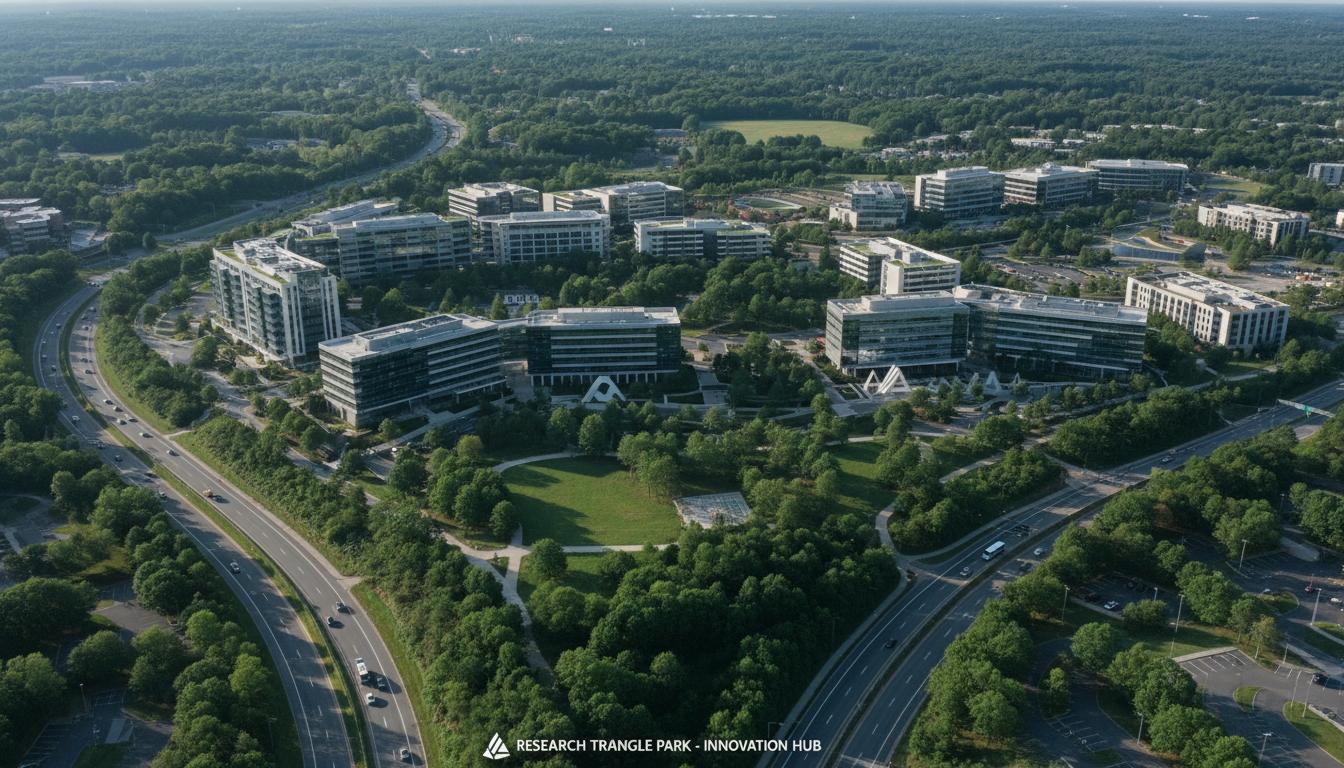
- **RTP generates $25.1 billion in annual economic impact** with 55,000+ employees
Cost Comparison:
| Metric | Raleigh | Austin | Differential |
|---|---|---|---|
| Median Home Price | $451,000 | $429,000 | -4.9% |
| State Income Tax | 4.25% | 0% | -$7,778/yr |
| Median Software Engineer Salary | $140,000 | $183,000 | +30.7% |
| Rent (1BR) | $1,355/mo | $1,433/mo | +5.8% |
| Overall Cost of Living | -2% vs natl | -2% vs natl | Equal |
The $140K Engineer Scenario:
Raleigh:** - Gross: $140,000 - NC State Tax: $5,950 - Take-Home: ~$114,050 - Housing Cost: $27,366/yr - **Disposable Income: ~$86,684
Austin:** - Gross: $183,000 - State Tax: $0 - Take-Home: ~$155,000 - Housing Cost: $26,031/yr - **Disposable Income: ~$128,969
Net Advantage: $42,285 annually
CBRE Tech Talent Rankings (2025):
| Metric | Raleigh-Durham | Austin |
|---|---|---|
| Tech Talent Workforce | 76,570 | 99,460 |
| 5-Year Growth Rate | 15.4% | 29.1% |
| Tech Talent % of Employment | 7.2% | ~8.5% |
| CBRE Rank | #12 | #5 |
While Austin offers higher nominal salaries and tax advantages, Raleigh-Durham offers quality-of-life factors—lower population density, proximity to mountains and coast, and a more stable growth trajectory—that pure salary comparisons cannot capture..